
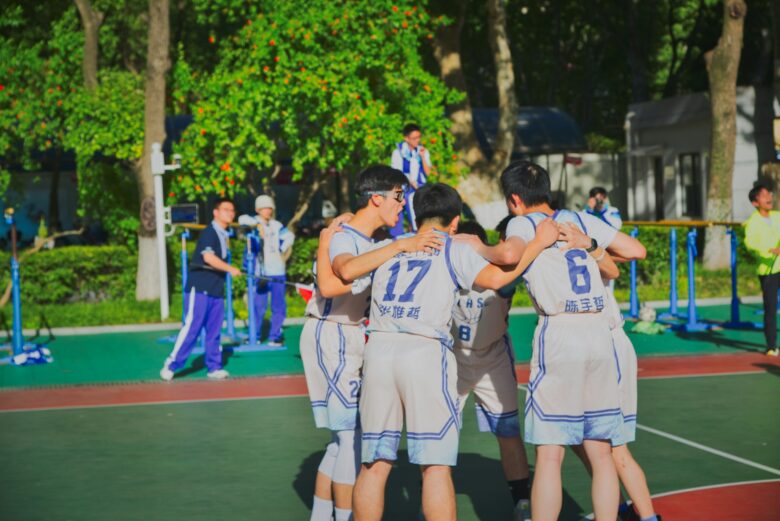
Trust between teammates is rarely discussed when games are previewed, yet it becomes decisive when outcomes hang in the balance. In critical moments, when time compresses and pressure peaks, trust is not an abstract value. It is a functional force that determines how quickly decisions are made, how risks are evaluated, and how responsibility is shared. Teams that trust each other behave differently under stress, and those differences often decide results.
Trust Reduces the Cost of Decision-Making
Critical moments demand speed. There is little time to analyze options or verify assumptions. Trust lowers the cognitive cost of choosing.
When teammates trust each other, decisions become simpler. A pass is made without hesitation because the receiver is expected to be where they should be. A rotation is committed to fully because coverage is assumed. An aggressive action feels safer because support is believed to exist.
Without trust, athletes hedge. They look twice. They delay. They protect themselves against uncertainty. In high-pressure situations, these micro-delays are costly. Opportunities close quickly, and indecision often appears as poor execution.
Trust allows commitment. Commitment allows clarity.
Responsibility Feels Shared, Not Isolated
In critical moments, fear often centers on responsibility. Athletes worry about being the one who makes the mistake that decides the game.
Trust changes how responsibility is experienced. Instead of feeling isolated, players feel held within the group. If something goes wrong, the response will be collective rather than punitive.
This shared responsibility encourages initiative. Athletes are more willing to act decisively when they believe teammates will respond constructively rather than emotionally.
Teams without trust often see responsibility passed rather than shared. Players avoid involvement at precisely the moments when involvement is needed most.
Trust Stabilizes Emotional Response
Pressure triggers emotional reactions in everyone. Trust determines whether those emotions destabilize or settle behavior.
When teammates trust each other, visible frustration does not escalate. A missed shot does not trigger blame. A defensive error does not provoke panic. The emotional tone remains contained.
This containment matters because emotion spreads quickly. Calm reinforces calm. Trust acts as an emotional buffer that prevents one moment from contaminating the next.
In teams lacking trust, emotion leaks. Gestures, tone, and body language signal doubt. That doubt spreads faster than any tactical error.
Communication Becomes Efficient Under Stress
Critical moments do not allow for lengthy explanations. Communication must be brief, clear, and immediately actionable.
Trust makes this possible. Short cues carry shared meaning. A glance, a gesture, or a single word is enough to adjust behavior.
Without trust, communication becomes either excessive or absent. Players over-instruct because they do not trust interpretation, or they stop communicating because they expect misunderstanding.
Both extremes reduce effectiveness. Trust enables communication that is minimal but sufficient.
Trust Allows Risk When Risk Is Required
Winning often requires risk, especially late in games. Safe options preserve the present. Risky options create change.
Trust influences risk tolerance. Athletes are more willing to take necessary risks when they believe teammates will support the outcome, regardless of result.
This does not mean reckless behavior. It means calculated action without fear of social consequence. Players act because the situation demands it, not because it is personally safe.
Teams without trust default to conservative choices. They play not to lose rather than to win. Over time, this avoidance becomes visible in outcomes.
Recovery After Mistakes Is Faster
Mistakes are inevitable in critical moments. What matters is response.
Trust accelerates recovery. When an error occurs, teammates immediately move to solve the next problem rather than dwell on the last one. Attention stays present.
In low-trust environments, mistakes linger. Players replay them internally. Others react visibly. The error gains psychological weight beyond its tactical impact.
This delay compounds pressure. Trust prevents that accumulation by allowing mistakes to remain contextual rather than personal.
Trust Is Built Long Before It Is Needed
Trust does not appear spontaneously in decisive moments. It is built in mundane ones.
Daily interactions matter. How feedback is delivered. How effort is acknowledged. How conflict is handled. These experiences accumulate into expectation.
By the time a critical moment arrives, trust is either present or absent. It cannot be negotiated under pressure.
Teams that invest in trust-building behaviors early benefit later without consciously trying to activate trust. It simply functions.
Trust Changes How Athletes Interpret Silence
Silence during critical moments can feel threatening or reassuring, depending on trust.
In trusting teams, silence often signals focus. Players assume alignment. They do not require constant affirmation.
In teams without trust, silence creates anxiety. Players wonder whether teammates are disengaged, frustrated, or judging.
This difference shapes behavior. One team remains composed. The other fills silence with rushed action.
Leadership Is Amplified by Trust
Leadership during critical moments relies on trust to be effective.
When trust exists, leadership cues are accepted without resistance. A calming gesture, a directive, or a pause carries authority.
Without trust, leadership attempts may be questioned internally. Players second-guess instructions or interpret them defensively.
Trust does not replace leadership. It allows leadership to function efficiently when time is limited.
Trust Protects Team Identity Under Pressure
Critical moments test identity. Teams either act in alignment with who they believe they are or abandon that identity under stress.
Trust reinforces identity. Players believe that teammates will uphold shared standards even when outcomes are uncertain. This belief stabilizes behavior.
Teams without trust often fracture identity. Individuals retreat into self-protection. Collective principles dissolve quietly.
Identity maintained under pressure is rarely tactical. It is relational.
Trust Narrows the Gap Between Plan and Execution
Most teams enter games with clear plans. Critical moments test whether those plans survive pressure.
Trust bridges the gap between intention and action. Players execute the plan because they trust others to do the same.
Without trust, execution becomes conditional. Players adjust plans to protect themselves. The original structure erodes.
The plan itself may have been sound. Trust determines whether it is honored.
Trust Allows Players to Play Their Role Fully
Role clarity matters, but trust determines whether roles are embraced under pressure.
In trusting teams, players stay within roles even when the moment tempts deviation. They trust that others will fulfill complementary roles.
In low-trust teams, players abandon roles to compensate. Overhelping appears. Spacing collapses. Structure breaks down.
Trust enables discipline without rigidity.
Trust Reduces the Need for Heroics
Critical moments often tempt individual heroics. Trust counteracts this impulse.
When players trust teammates, they do not feel compelled to solve everything alone. They value collective solutions.
Heroics are not eliminated. They are contextualized. Individual brilliance emerges within structure rather than replacing it.
Teams lacking trust often oscillate between passivity and desperation, neither of which produces consistent success.
Trust Is Felt Physically Under Pressure
Trust is not only cognitive. It is physiological.
Athletes who trust teammates often report feeling calmer in critical moments. Breathing steadies. Movements feel fluid.
This physical response matters. Calm bodies execute better under stress.
Distrust increases tension. Muscles tighten. Movements become forced. Execution suffers.
The body responds to perceived safety as much as perceived threat.
Trust Transforms Pressure Into Focus
Pressure does not disappear when trust is present. It changes form.
Instead of feeling threatening, pressure feels directive. Attention sharpens. Purpose clarifies.
This transformation allows athletes to engage fully rather than protect themselves emotionally.
Teams without trust experience pressure as judgment. Performance becomes defensive. Focus fractures.
Trust Is Tested Most When Things Go Wrong
Trust is easiest when games go well. Its real value appears during adversity.
A blown assignment. A controversial call. A sudden momentum swing. These moments test relational strength.
Teams with trust respond by regrouping. Teams without trust respond by fragmenting.
Critical moments often include adversity. Trust determines whether adversity destabilizes or unites.
Trust Cannot Be Faked Under Pressure
Athletes can say the right things. They can perform trust rituals. Under pressure, behavior reveals truth.
Who takes responsibility. Who supports. Who withdraws.
Critical moments expose the real level of trust because instinct overrides intention.
Why Trust Is Often Undervalued
Trust is difficult to quantify. It does not appear in box scores or scouting reports.
As a result, it is often acknowledged rhetorically but neglected practically.
Teams invest heavily in tactics and conditioning, assuming trust will follow automatically. It does not.
Trust requires deliberate attention, consistency, and patience.
The Long-Term Impact of Trust
Teams with strong trust often outperform expectations consistently. They handle close games better. They recover from setbacks faster.
This is not coincidence. Trust compounds across seasons.
Players remain engaged. Turnover hurts less. Culture sustains behavior.
Teams without trust rely on peaks. When peaks fade, collapse follows.
What Trust Ultimately Provides
Trust provides freedom under constraint.
It allows athletes to act decisively without fear of social consequence. It stabilizes emotion. It sharpens focus.
In critical moments, when everything is compressed, trust expands possibility.
Why Critical Moments Reveal What Was Already There
Critical moments do not create trust. They reveal it.
The behaviors seen under pressure are extensions of everyday interaction patterns.
Teams that invest in trust early do not scramble for it late.
The Quiet Difference That Decides Outcomes
Many games are decided by small margins. A timely decision. A committed action. A shared response to error.
Behind those moments is trust.
Not the loud kind. The quiet kind that allows teammates to rely on each other without hesitation.
In critical moments, when there is no time to negotiate belief, trust either carries the team forward or leaves individuals alone.
And in competitive sport, being alone under pressure is often the difference between holding on and falling apart.